
I can no longer imagine living in a city where I have to drive to the pharmacy, grocery store, or a restaurant! The joy of a walkable city is like a smile—it’s simple yet incredibly fulfilling.
This June 1st, John and I are celebrating five years of living in walkable cities. Cities that invite you to slow down, to notice, to feel more connected to everyday life. The kind of places where errands become gentle rituals, and the streets hold a quiet kind of freedom.
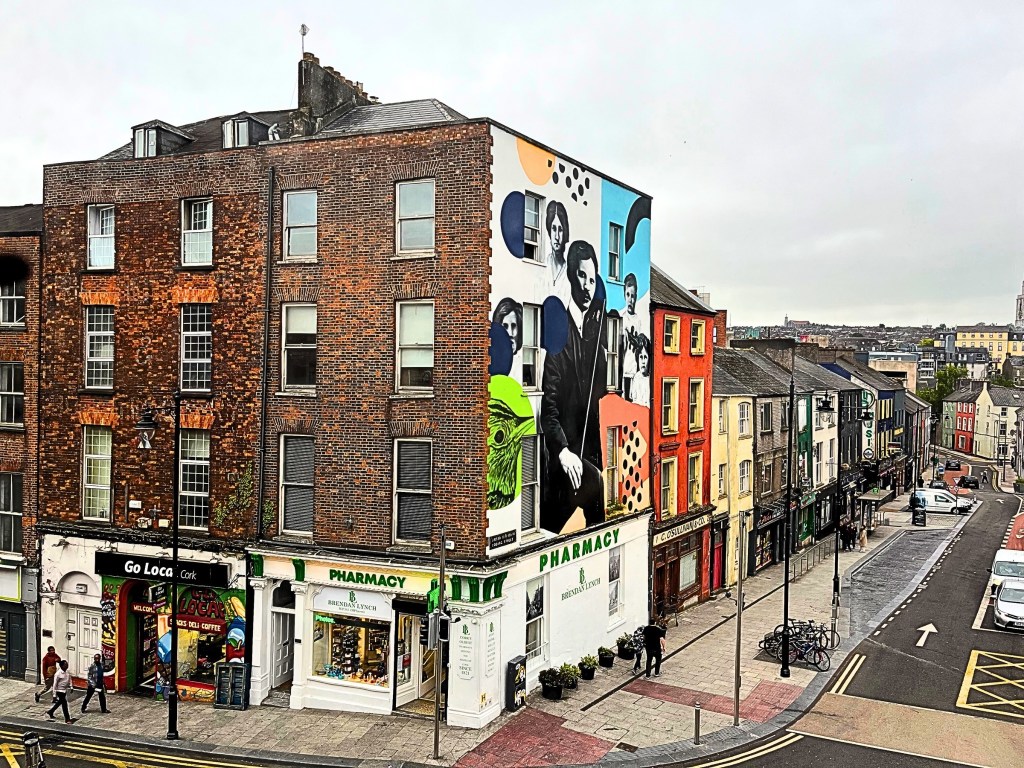
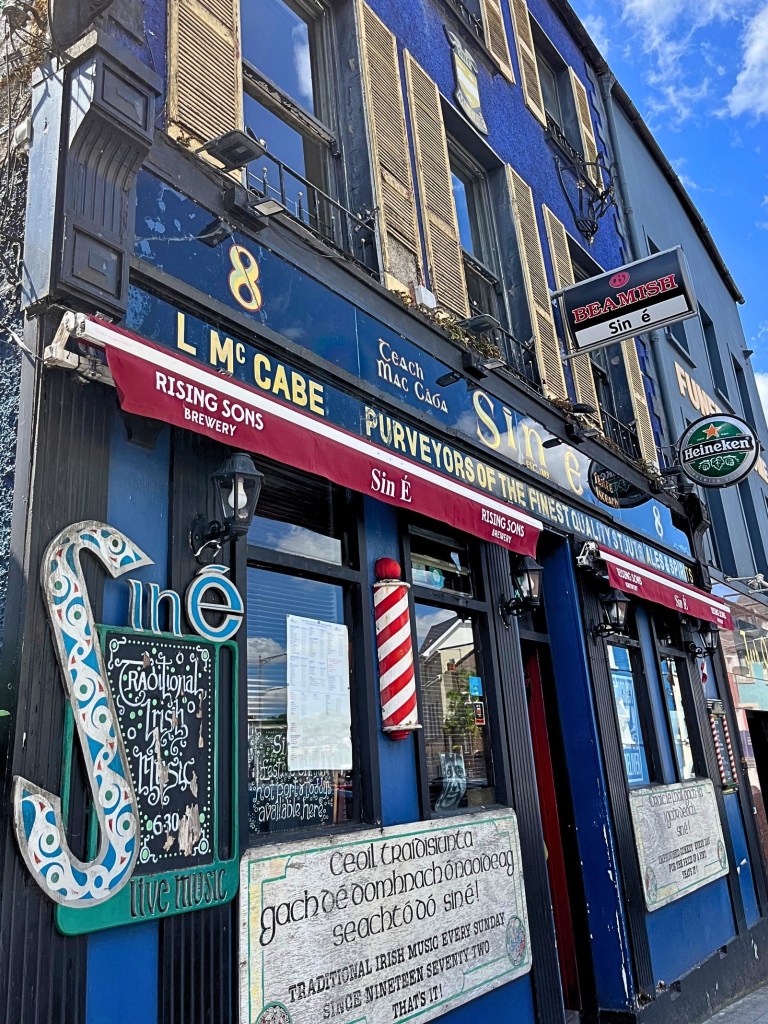
This is our view of Coburg Street in Cork—a simple, walkable stretch that says so much. A place where you can step out for a pint, pick up a loaf of bread, or listen to live music without ever getting in a car. Scenes like this feel like a gift. Coburg Street reminds us how joy can live in the everyday—in a quiet stroll, a colorful corner, or the ease of reaching what you need on foot.
The Quiet Pulse of Cork: Coburg Street on Foot
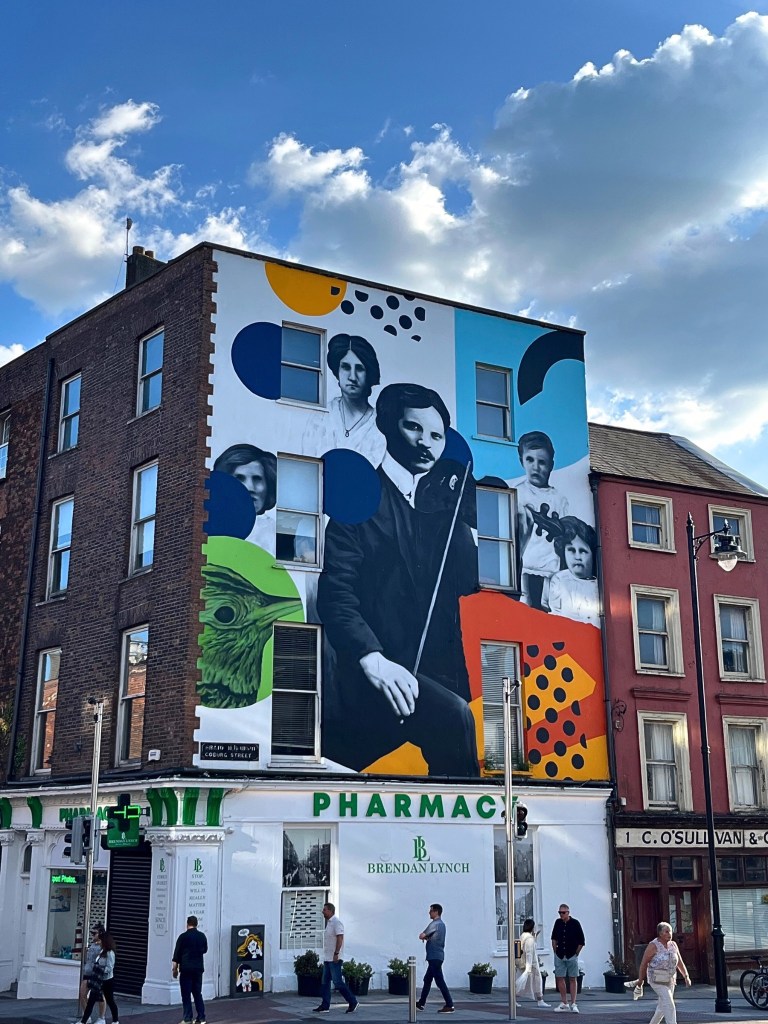
Coburg Street doesn’t announce itself loudly. It appears almost casually, just past the river, tucked between more familiar Cork landmarks. But walk it slowly—really walk it—and the past will begin to hum beneath your feet. The red-brick buildings curve like old knuckles, worn by time and weather. The breeze carries a trace of salt from the Lee, and sometimes, if you’re lucky, a murmur of fiddle music from a nearby pub. This is how you begin to notice it—not in grand monuments, but in the soft persistence of place.
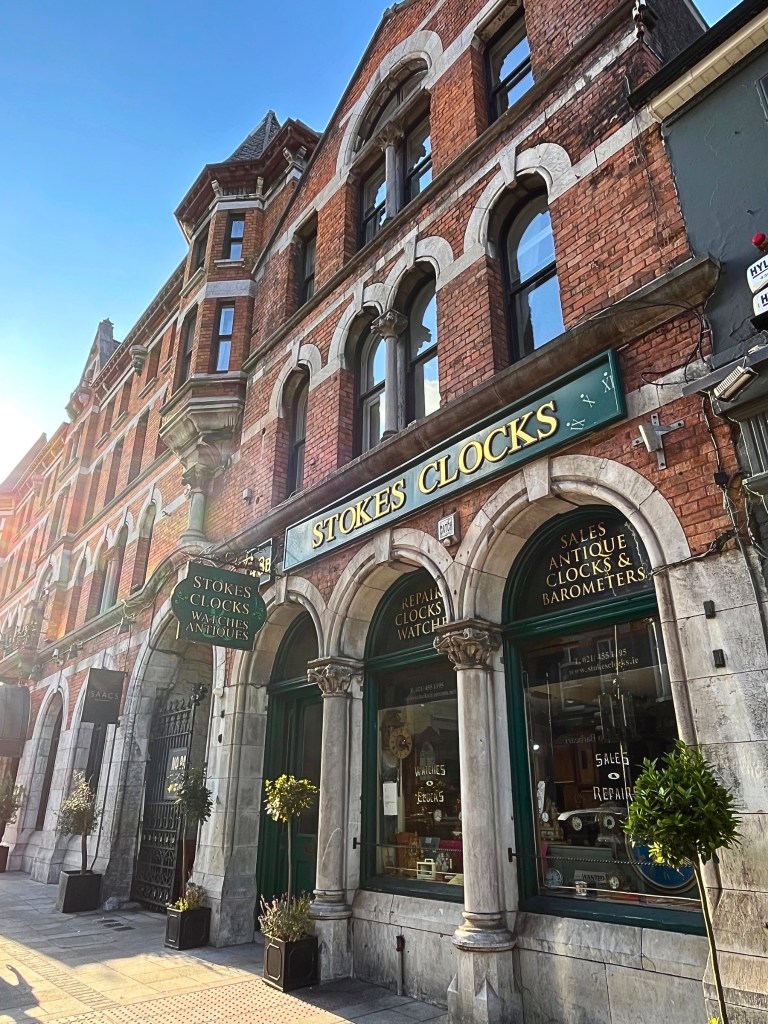
There’s something about the uneven rhythm of Coburg Street that invites presence. Perhaps it’s the shape of the stonework, quarried long ago and fit together by hand, or the painted shopfronts with names that have outlived generations. The old warehouse buildings, some dating back to the mid-1800s, wear their age with pride. Look closely and you’ll see rusted iron fixings and ashlar limestone lintels—quiet testaments to a time when this street pulsed with industry, and wagons clattered down to the docks with timber and tobacco.
To walk here is to walk inside the story of a city always shifting but never forgetting. Coburg Street forms part of an Architectural Conservation Area, which means its very bones are protected—its quirks and angles, its shadows and sounds. These aren’t just buildings; they’re keepers of memory. The street might seem narrow, but it opens up if you let it: to a shopkeeper’s hello, to the smell of roasted coffee from a tiny café, to the echo of a name carved above a doorframe that hasn’t changed in a century.
Sometimes the most meaningful encounters are the ones you stumble upon. In Cork, it’s not always the guidebook highlights that stay with you, but a quiet corner like this—alive with footfall and faded paint, with windows that watched famine, prosperity, and everything in between. On Coburg Street, history doesn’t stand still. It breathes in the details, and all you have to do is slow down and breathe with it.

The Quiet Gift of Walkable Streets
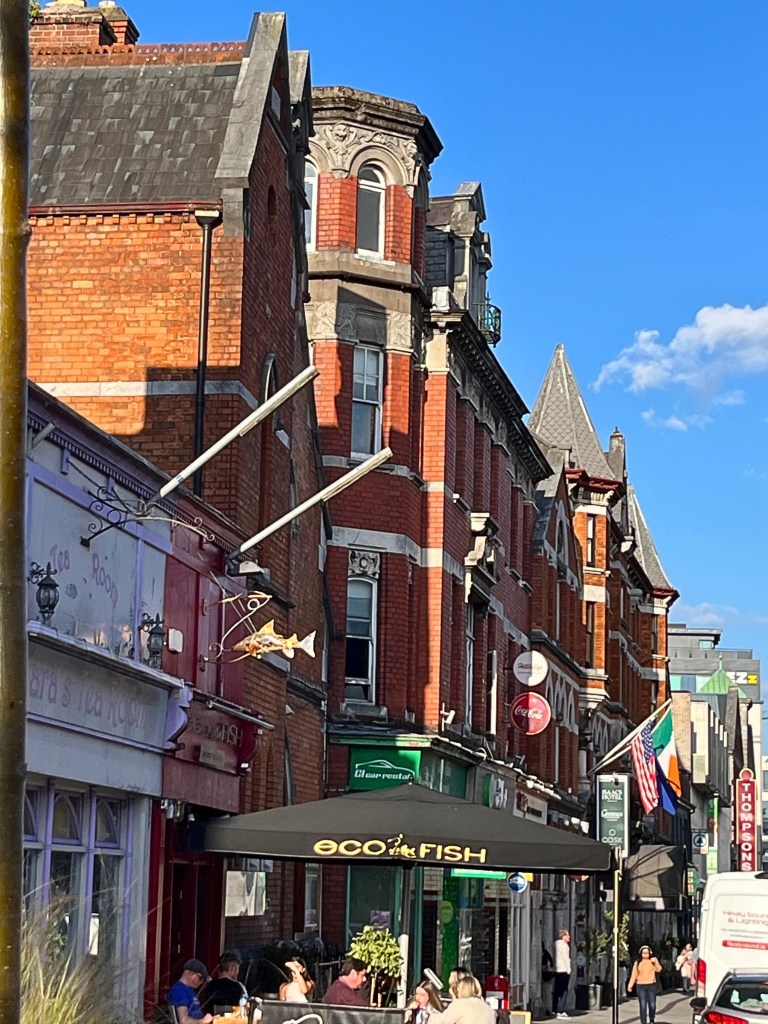
Walking connects us in quiet, unspoken ways—to the soul of a place, to the rhythm of its people, to the texture of daily life. On streets like Coburg, the simple act of moving through space becomes something meaningful. Each step invites a slower gaze, a deeper breath, a softer heart. You begin to notice the curve of a doorway, the laughter spilling from a pub, the scent of bread drifting from a nearby shop. Presence becomes a practice, not a pursuit.
Perhaps that is the quiet gift of walkable cities: not just ease or access, but intimacy. A closeness to life that cannot be rushed. These streets teach us how to belong—how to root ourselves not in destination, but in the path itself. To walk, truly walk, is to remember that joy lives in the ordinary and that community often begins with a shared sidewalk.
We had the good fortune of experiencing Coburg Street for an entire week in May 2025, during our visit to Cork, Ireland. Come explore more of Ireland’s wonders, like Sin É Pub.
